Orthopedics

Treating Ligament Injuries

Treating Ligament Injuries: Methods and Recovery Time

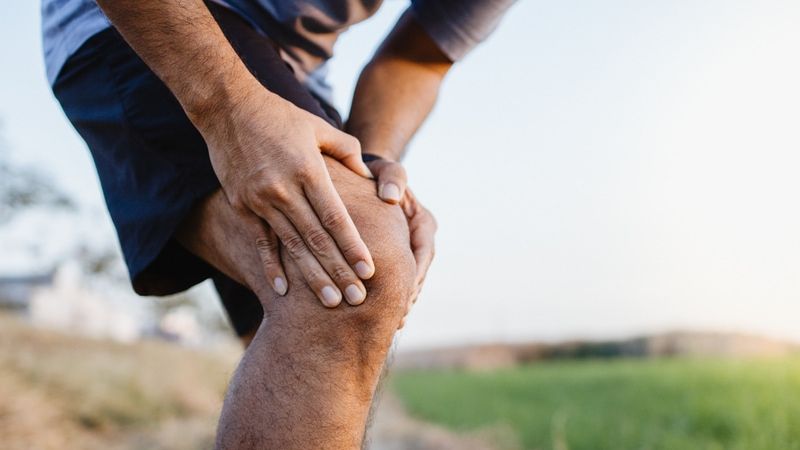
Treating Ligament Injuries is essential for athletes and anyone facing ligament damage. Understanding the treatment methods and recovery time can help you make informed decisions about your health. What are Ligament Injuries? Ligament injuries occur when the tough bands of tissue that connect bones to one another are stretched or torn. These injuries are common in joints such as the knee, ankle, and wrist. Importance of Treating Ligament Injuries Proper treatment of ligament injuries is crucial to restoring joint stability and function. Untreated ligament injuries can lead to chronic pain and instability. For more information, check out conditions treated by orthopedic surgeons. Types of Ligament Injuries There are several types of ligament injuries, including: Sprains Sprains occur when a ligament is stretched or torn. They are graded based on severity: Tears Ligament tears can be partial or complete and often require surgical intervention to repair. Treatment Methods for Ligament Injuries Treating ligament injuries involves both non-surgical and surgical options. Dr. Vatsal Khetan’s expertise in treating ligament injuries can guide you through the following treatments: Non-Surgical Treatments Surgical Treatments Recovery Time for Ligament Injuries Recovery time for ligament injuries varies based on the severity of the injury and the type of treatment. Here’s a general timeline: Connect with Us Follow us on social media for the latest updates: Contact Information Name: Dr. Vatsal Khetan Address: SK Pandey Complex, Betiahata Rd, beside Union Bank, Betiahata, Gorakhpur, Uttar Pradesh 273001 Phone: +91-9662 365 917

Treating Ligament Injuries: Methods and Recovery Time Read More »

Knee Braces for Osteoarthritis

Knee Braces for Osteoarthritis: Choosing the Right Support

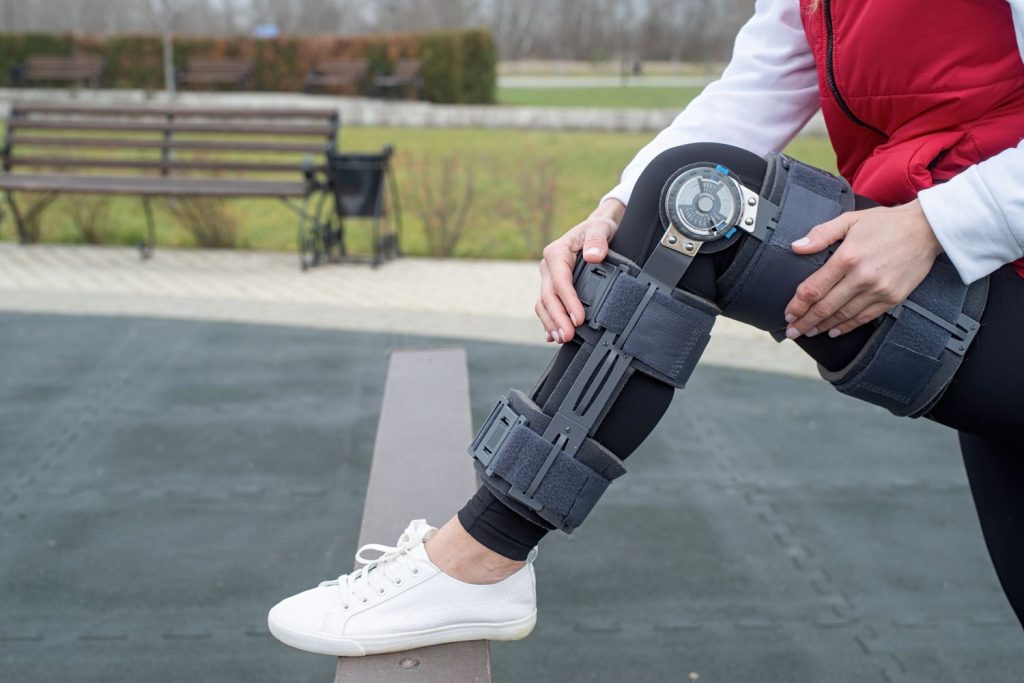
Knee Braces for Osteoarthritis can provide much-needed support and pain relief for those suffering from this condition. Understanding the different types of knee braces and how to choose the right one is crucial for effective management of osteoarthritis symptoms. What is Osteoarthritis? Osteoarthritis is a degenerative joint disease that occurs when the protective cartilage that cushions the ends of your bones wears down over time. This can lead to pain, stiffness, and swelling in the affected joint, commonly the knee. Importance of Knee Braces Knee braces can help manage the symptoms of osteoarthritis by providing support, reducing pain, and improving mobility. They can also help align the knee, redistribute weight, and provide stability during movement. Types of Knee Braces for Osteoarthritis There are several types of knee braces available, each designed to address specific needs and symptoms: Sleeve Braces Sleeve braces are the most common type of knee brace for mild to moderate pain. They provide compression, which can reduce swelling and provide support. These braces are often made of neoprene and are easy to wear. Hinged Braces Hinged braces offer more support than sleeve braces and are ideal for individuals with moderate to severe osteoarthritis. They have metal hinges on the sides to provide stability and control movement. Unloader Braces Unloader braces are designed to shift weight away from the affected part of the knee, reducing pain and improving function. They are typically used for more severe cases of osteoarthritis. Custom-Fit Braces Custom-fit braces are made specifically for the individual’s knee and provide the best fit and support. These braces are usually recommended for severe cases or when other braces have not provided sufficient relief. Choosing the Right Knee Brace When choosing a knee brace for osteoarthritis, consider the following factors: For more tips on managing chronic knee pain, explore advanced chronic knee pain management. Recovery and Rehabilitation Using a knee brace can help improve your quality of life by reducing pain and improving mobility. However, it’s important to follow a comprehensive rehabilitation program that includes physical therapy and exercises to strengthen the muscles around the knee. Connect with Us Follow us on social media for the latest updates: Contact Information Name: Dr. Vatsal Khetan Address: SK Pandey Complex, Betiahata Rd, beside Union Bank, Betiahata, Gorakhpur, Uttar Pradesh 273001 Phone: +91-9662 365 917

Knee Braces for Osteoarthritis: Choosing the Right Support Read More »

Knee Arthroscopy

Knee Arthroscopy: How It Can Help You

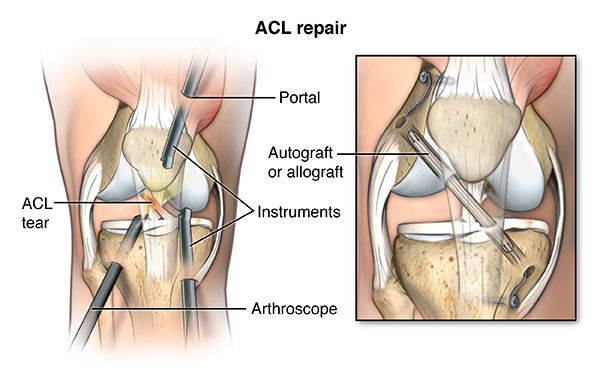
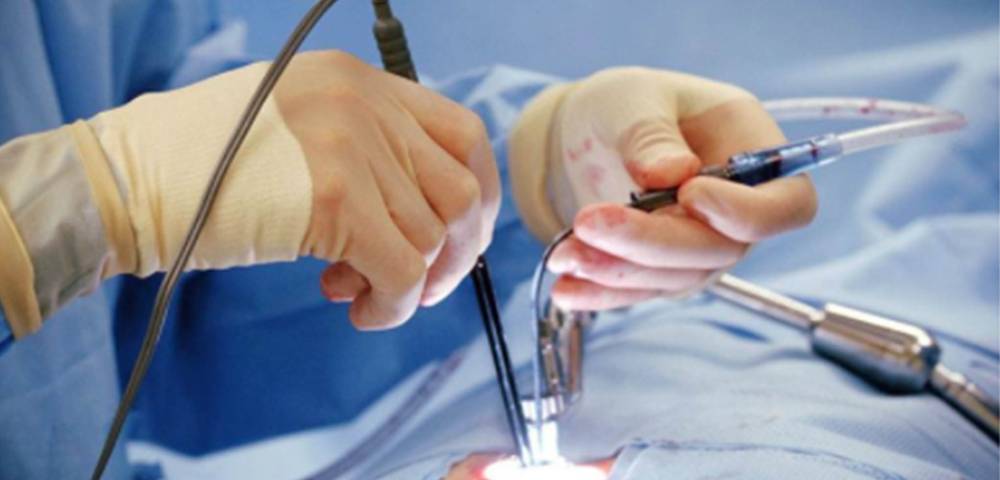
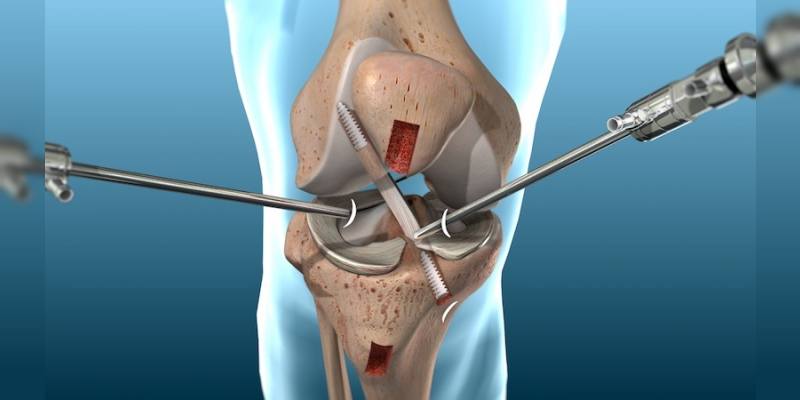
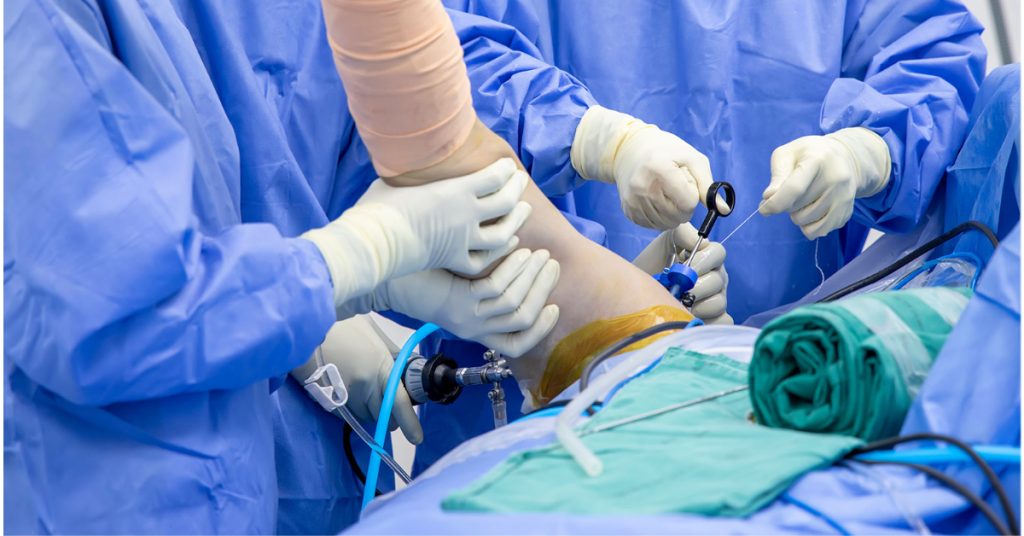
Knee Arthroscopy is a minimally invasive surgical procedure used to diagnose and treat problems inside the knee joint. Understanding the benefits and process of knee arthroscopy can help you make informed decisions about your knee health. What is Knee Arthroscopy? Knee arthroscopy involves inserting a small camera called an arthroscope into the knee joint through a small incision. This allows the surgeon to see inside the knee on a video monitor and perform necessary treatments. For more details, check out knee arthroscopy surgery. Why You Might Need Knee Arthroscopy Knee arthroscopy is often recommended for individuals experiencing knee pain, stiffness, or other symptoms that do not respond to non-surgical treatments. It is commonly used to diagnose and treat conditions such as torn meniscus, damaged cartilage, and loose bone fragments. For a closer look, you can read about joint preservation and management. The Procedure During knee arthroscopy, the surgeon makes a small incision and inserts the arthroscope into the knee joint. The camera on the arthroscope transmits images to a video monitor, allowing the surgeon to see inside the joint and guide the surgical instruments. Small instruments are used to treat the knee issues, such as removing damaged tissue or repairing tears. Dr. Vatsal Khetan’s expertise in arthroscopic surgeries can guide you through the process. Recovery and Rehabilitation Recovery from knee arthroscopy is typically quicker than traditional open surgery due to the smaller incisions. Patients usually experience less pain and a faster return to normal activities. Physical therapy is often recommended to restore knee strength and mobility. For more tips on managing post-surgical recovery, check out advanced chronic knee pain management. Long-Term Outcomes Most patients experience significant improvement in knee function and pain relief after knee arthroscopy. However, it’s important to follow your rehabilitation program diligently to achieve the best results. Connect with Us Follow us on social media for the latest updates: Contact Information Name: Dr. Vatsal Khetan Address: SK Pandey Complex, Betiahata Rd, beside Union Bank, Betiahata, Gorakhpur, Uttar Pradesh 273001 Phone: +91-9662 365 917

Knee Arthroscopy: How It Can Help You Read More »

Bankart Repair Surgery

Bankart Repair Treatment: Everything You Need to Know

Bankart Repair Treatment is a crucial procedure for individuals with recurrent shoulder dislocations. Understanding the treatment process and recovery can help you make informed decisions about your health. In this blog post, we’ll cover everything you need to know about Bankart repair, from the procedure itself to recovery and long-term outcomes. What is Bankart Repair? Bankart repair is a surgical procedure to correct recurrent shoulder dislocations by repairing a tear in the labrum, a piece of cartilage in the shoulder joint. The goal of the surgery is to restore stability to the shoulder and prevent future dislocations. Why You Might Need Bankart Repair A Bankart lesion, or tear in the labrum, can cause recurrent shoulder dislocations and instability. This injury is common in athletes and individuals who experience traumatic shoulder injuries. Surgery is often recommended to restore shoulder stability and prevent further dislocations. For more details, check out conditions treated by orthopedic surgeons. The Procedure During Bankart repair, the surgeon makes small incisions around the shoulder to insert a camera and surgical instruments. The torn labrum is reattached to the socket of the shoulder joint using sutures or anchors. This procedure is typically performed arthroscopically, meaning it is minimally invasive. For a closer look, you can read about shoulder arthroscopic surgery. Recovery and Rehabilitation Recovery from Bankart repair involves a combination of physical therapy, activity modification, and sometimes the use of a sling. The timeline for returning to sports and normal activities can vary but generally takes about 3-6 months. Physical therapy is crucial to restore strength and mobility in the shoulder. Dr. Vatsal Khetan’s expertise in sports medicine can guide you through the process. Long-Term Outcomes Most patients experience significant improvement in shoulder stability and function after Bankart repair. However, it’s important to follow your rehabilitation program diligently to achieve the best results. For tips on managing chronic shoulder pain, check out advanced chronic pain management. Connect with Us Follow us on social media for the latest updates: Contact Information Name: Dr. Vatsal Khetan Address: SK Pandey Complex, Betiahata Rd, beside Union Bank, Betiahata, Gorakhpur, Uttar Pradesh 273001 Phone: +91-9662 365 917

Bankart Repair Treatment: Everything You Need to Know Read More »

Articular Cartilage

Articular Cartilage: Importance, Injuries, and Treatments

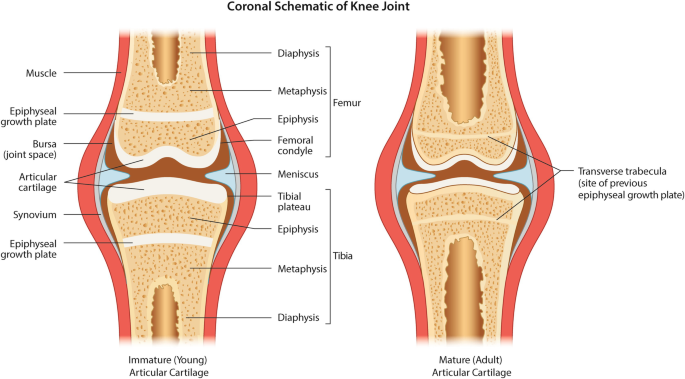
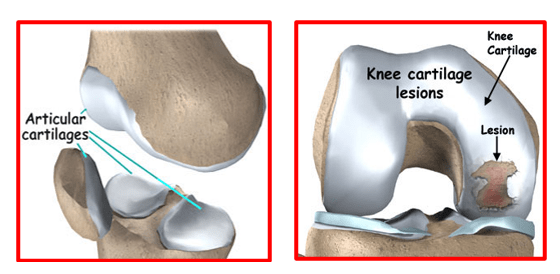
Articular Cartilage plays a crucial role in joint function, acting as a smooth, lubricated surface for joint movement and cushioning bones. Understanding the significance of articular cartilage, how injuries occur, and treatment options is essential for maintaining joint health. What is Articular Cartilage? Articular cartilage is a smooth, white tissue that covers the ends of bones where they come together to form joints. It allows for smooth movement of the joints and acts as a cushion, distributing loads to reduce stress on the bones. Importance of Articular Cartilage Articular cartilage is vital for healthy joint function. It reduces friction during joint movement, absorbs shocks, and helps in weight distribution. Damage to this cartilage can lead to pain, swelling, and impaired movement. For more details on joint preservation and management, check out joint preservation and management. Common Injuries to Articular Cartilage Injuries to articular cartilage can result from acute trauma, repetitive motion, or degenerative conditions. Common types of cartilage injuries include: Treatment Options for Articular Cartilage Injuries Treating articular cartilage injuries involves a range of non-surgical and surgical options. Dr. Vatsal Khetan’s expertise in treating cartilage injuries can guide you through the following treatments: Non-Surgical Treatments Surgical Treatments For a detailed look at surgical options, visit common minimally invasive orthopedic surgeries. Recovery and Rehabilitation Recovery from cartilage repair varies depending on the type and extent of the injury and treatment. Physical therapy is essential to restore strength and mobility. Dr. Vatsal Khetan’s guidance on sports medicine can help you navigate the recovery process. Long-Term Outcomes With appropriate treatment and rehabilitation, most patients can achieve significant improvement in joint function and pain relief. For tips on managing chronic knee pain, explore advanced chronic knee pain management. Connect with Us Follow us on social media for the latest updates: Contact Information Name: Dr. Vatsal Khetan Address: SK Pandey Complex, Betiahata Rd, beside Union Bank, Betiahata, Gorakhpur, Uttar Pradesh 273001 Phone: +91-9662 365 917

Articular Cartilage: Importance, Injuries, and Treatments Read More »

Dr. Vatsal Khetan, best orthopedic doctor in Gorakhpur

Best Orthopedic Doctor in Gorakhpur: Comprehensive Care for Joint Pain

Introduction to the Best Orthopedic Doctor in Gorakhpur When searching for the best orthopedic doctor in Gorakhpur, look no further than Dr. Vatsal Khetan. Renowned for his expertise in treating joint pain and sports injuries, Dr. Khetan offers a holistic approach to orthopedic care, ensuring his patients receive the best treatment possible. Learn more about Dr. Khetan Who is Dr. Vatsal Khetan? Dr. Vatsal Khetan is a leading orthopedic doctor specializing in knee and shoulder conditions, sports injuries, and joint preservation. With over 8 years of dedicated practice, he has established the Khetan Knee Shoulder Clinic in Gorakhpur, where he provides exceptional care to his patients. Dr. Khetan’s Expertise and Training Dr. Vatsal Khetan’s journey in medicine began with earning his MBBS degree from Gujarat University in 2014. Pursuing his passion for orthopedics, he completed his MS in Orthopedics in 2018. He further specialized in knee replacement and sports injury management through fellowship training under the mentorship of renowned experts Dr. Nilen Shah and Dr. Anant Joshi in Mumbai. To gain international experience, Dr. Khetan pursued an MCh in knee joint and knee replacement through the Edge Hill program, enhancing his skills at Rotherham District Hospital in the UK. His extensive training ensures that he stays at the forefront of orthopedic advancements. Comprehensive Orthopedic Services At the Khetan Knee Shoulder Clinic, Dr. Vatsal Khetan offers a wide range of services, including: Why Choose Dr. Vatsal Khetan? Choosing Dr. Vatsal Khetan means opting for: Contact Dr. Vatsal Khetan Khetan Knee Shoulder Clinic Social Media Links

Best Orthopedic Doctor in Gorakhpur: Comprehensive Care for Joint Pain Read More »

Dr. Vatsal Khetan, top orthopedic doctor in Gorakhpur

Top Orthopedic Doctor in Gorakhpur: Meet the Best in the Field

Introduction to the Best Orthopedic Doctor in Gorakhpur When it comes to orthopedic care in Gorakhpur, one name stands out among the rest—Dr. Vatsal Khetan. With a wealth of experience, extensive training, and a commitment to patient care, Dr. Khetan has earned his reputation as the top orthopedic doctor in the region. Who is Dr. Vatsal Khetan? Dr. Vatsal Khetan is an accomplished orthopedic doctor specializing in sports injuries, particularly focused on knee and shoulder conditions. He brings over 8 years of experience to his practice at the Khetan Knee Shoulder Clinic in Gorakhpur. Dr. Khetan’s Expertise and Training Dr. Vatsal Khetan’s medical journey began with earning his MBBS degree from Gujarat University in 2014. Driven by a passion for orthopedics, he completed his MS in Orthopedics in 2018. Further enhancing his skills, Dr. Khetan underwent fellowship training in knee replacement and sports injury management under renowned experts Dr. Nilen Shah and Dr. Anant Joshi in Mumbai. To gain international exposure, Dr. Khetan pursued an MCh in knee joint and knee replacement through the Edge Hill program, enhancing his skills at Rotherham District Hospital in the UK. During this time, he also delved into shoulder surgery, honing his abilities as a sports specialist through a dedicated fellowship. Comprehensive Orthopedic Services At the Khetan Knee Shoulder Clinic, Dr. Vatsal Khetan offers a range of orthopedic services, including: Why Choose Dr. Vatsal Khetan? Choosing Dr. Vatsal Khetan for your orthopedic needs ensures: Contact Dr. Vatsal Khetan Khetan Knee Shoulder Clinic Social Media Links

Top Orthopedic Doctor in Gorakhpur: Meet the Best in the Field Read More »

Meniscus Injury Treatment

Meniscus Injury Treatment: Comprehensive Guide

A meniscus injury is a common yet potentially debilitating condition that affects the knee’s cartilage, often resulting from sports activities or sudden twists. Understanding the causes, symptoms, and treatment options for meniscus injuries is vital for effective recovery.  Understanding Meniscus Injuries The meniscus is a C-shaped piece of cartilage that acts as a cushion between your thigh bone (femur) and shin bone (tibia). Meniscus injuries often occur during activities that involve sudden stops and twists of the knee. Causes of Meniscus Injuries Symptoms of Meniscus Injuries Comprehensive Treatment Options for Meniscus Injuries Meniscus injury treatment aims to relieve pain, restore knee function, and prevent further damage. Depending on the severity of the injury, treatment options range from conservative approaches to surgical intervention. Conservative Treatments Advanced Treatments Surgical Treatment Options For severe meniscus injuries that do not respond to conservative treatments, surgical options may be necessary: Meniscus Repair Meniscus repair involves stitching the torn pieces back together. This procedure is typically performed arthroscopically, using small incisions and specialized instruments. Meniscectomy Partial meniscectomy involves removing the damaged portion of the meniscus. This procedure can also be performed arthroscopically and is often used when repair is not possible. Rehabilitation and Recovery Rehabilitation is a crucial part of the recovery process for meniscus injuries. A personalized rehabilitation program helps restore knee function, strength, and flexibility. Importance of Early Intervention Early diagnosis and treatment of meniscus injuries are essential for a successful recovery. Delaying treatment can lead to further damage and complications, making it crucial to seek medical advice promptly. Why Choose Khetan Knee Shoulder Clinic? Choosing the right clinic for meniscus injury treatment is vital for effective management and recovery. Here’s why the Khetan Knee Shoulder Clinic should be your top choice: Get in Touch If you’re experiencing knee pain and suspect a meniscus injury, contact the Khetan Knee Shoulder Clinic in Gorakhpur today. Let Dr. Vatsal Khetan and his team help you achieve a pain-free life. Contact Information:

Meniscus Injury Treatment: Comprehensive Guide Read More »

Lower Back Pain: Causes, Symptoms & Treatment

Lower Back Pain: Causes, Symptoms & Treatment

Lower back pain is a common condition that affects millions of people worldwide, often interfering with daily activities and quality of life. Understanding the causes, symptoms, and treatment options is crucial for managing and alleviating this condition. Causes of Lower Back Pain Lower back pain can result from various factors, ranging from acute injuries to chronic conditions. Some common causes include: Muscle Strain Muscle strain occurs when muscles are overstretched or torn, often due to heavy lifting or sudden movements. This can cause significant pain and discomfort. Herniated Discs A herniated disc occurs when the soft inner material of the disc pushes through a crack in the tougher exterior, pressing on nearby nerves. Degenerative Disc Disease Degenerative disc disease is a condition where the intervertebral discs lose their cushioning ability, leading to pain and discomfort. Sciatica Sciatica is characterized by pain that radiates from the lower back down the leg, caused by irritation of the sciatic nerve. Symptoms of Lower Back Pain The symptoms of lower back pain can vary depending on the underlying cause. Common symptoms include: Treatment Options for Lower Back Pain There are various treatment options available for lower back pain, depending on the severity and cause of the condition. Treatment approaches include: Conservative Treatments Conservative treatments are often the first line of defense against lower back pain. These may include: Advanced Treatments For more severe cases, advanced treatments may be necessary: Importance of Early Intervention Early intervention is crucial in managing lower back pain effectively. Seeking medical advice and starting appropriate treatment can prevent the condition from worsening and improve long-term outcomes. Focus on Patient-Centered Care At Khetan Knee Shoulder Clinic, patient-centered care is at the heart of our approach. Dr. Vatsal Khetan and his team are dedicated to providing personalized treatment plans tailored to each patient’s unique needs. Why Choose Khetan Knee Shoulder Clinic? Choosing the right clinic for lower back pain treatment is essential for effective management and recovery. Here’s why the Khetan Knee Shoulder Clinic should be your top choice: Get in Touch If you’re experiencing lower back pain, contact the Khetan Knee Shoulder Clinic in Gorakhpur today. Let Dr. Vatsal Khetan and his team help you achieve a pain-free life. Contact Information:

Lower Back Pain: Causes, Symptoms & Treatment Read More »

Knee Joint Preservation

Knee Joint Preservation: Why and How It’s Done

Understanding Knee Joint Preservation Knee joint preservation focuses on maintaining the natural knee joint to delay or avoid the need for more invasive procedures like knee replacement surgery. By preserving the knee joint, patients can maintain their natural movement and function, leading to better overall outcomes. Symptoms and Causes of Knee Joint Issues Comprehensive Knee Joint Preservation Techniques At the Khetan Knee Shoulder Clinic, several advanced techniques are employed to preserve the knee joint: Physical Therapy Physical therapy plays a significant role in knee joint preservation. Tailored exercises help strengthen the muscles around the knee, improving stability and reducing pain. Medications and Injections Medications such as anti-inflammatory drugs and pain relievers can help manage symptoms. Additionally, injections like cortisone and hyaluronic acid can provide relief. Platelet-Rich Plasma (PRP) Therapy PRP therapy uses the patient’s blood to promote healing and reduce inflammation in the knee joint, delaying the need for more invasive procedures. Arthroscopic Surgery Minimally invasive arthroscopic surgery allows for the repair of damaged tissues within the knee joint, providing significant relief and preserving joint function. Benefits of Knee Joint Preservation Preserving the knee joint offers numerous benefits: Why Choose Khetan Knee Shoulder Clinic? Choosing the right clinic for knee joint preservation is vital for effective treatment and improved outcomes. Here’s why the Khetan Knee Shoulder Clinic should be your top choice: Get in Touch If you or a loved one is experiencing knee pain and considering knee joint preservation, contact the Khetan Knee Shoulder Clinic in Gorakhpur today. Let Dr. Vatsal Khetan and his team help you achieve a pain-free life and maintain your natural knee joint for as long as possible. Contact Information:

Knee Joint Preservation: Why and How It’s Done Read More »