


How to Recover from Hip Replacement Surgery at Home: A Complete Guide
Recovering from Hip Replacement Surgery is a journey that continues even after you leave the hospital. The care you take at home plays a major role in how quickly and safely you regain mobility, reduce pain, and return to normal life.
This guide will walk you through everything you need to know for a smooth and successful recovery at home. If you have been treated by the Best Hip Replacement Doctor in Gorakhpur or are planning your surgery, following these steps will ensure a safe and speedy recovery.
Preparing Your Home for Recovery
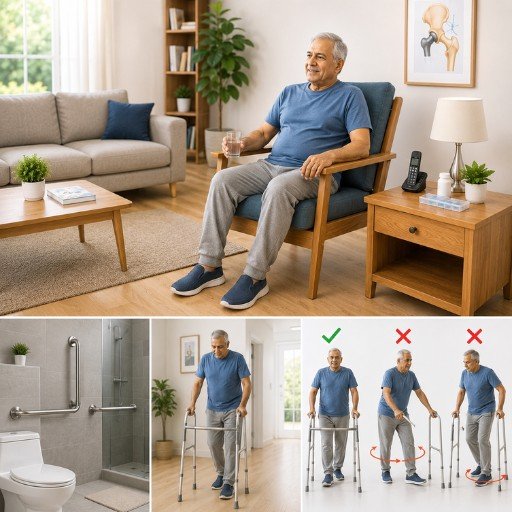
Before or immediately after surgery, it’s important to make your home safe and comfortable:
- Keep essential items (phone, water, medicines) within easy reach
- Use a firm chair with armrests instead of low sofas
- Install grab bars in the bathroom if possible
- Remove loose rugs, wires, or clutter to prevent falls
A safe environment reduces the risk of complications and boosts confidence during movement.
Start Moving, But Safely
Movement is essential for recovery, but it must be gradual and guided:
- Begin walking with a walker or crutches as advised
- Increase your walking distance slowly every day
- Avoid twisting your hip or sudden turns
Early movement improves blood circulation, reduces stiffness, and speeds up healing.
Follow Your Physiotherapy Exercises
Exercise is the backbone of recovery. Your doctor or physiotherapist will recommend:
- Ankle pumps to prevent blood clots
- Quadriceps and glute exercises to build strength
- Gentle hip movements to improve flexibility
Consistency is more important than intensity—do your exercises daily for the best results.
Manage Pain Effectively
Pain is normal after surgery, but it should be controlled:
- Take prescribed medications on time
- Apply ice packs for 15–20 minutes to reduce swelling
- Avoid skipping medicines, especially in the early days
Proper pain management helps you stay active and comfortable.
Maintain Proper Sleeping Positions
Your sleeping posture directly affects healing:
- Sleep on your back with a pillow between your legs
- Avoid crossing your legs
- Use a slightly raised bed if needed
These precautions prevent unnecessary stress on the new hip joint.
Take Care of Your Surgical Wound
Wound care is crucial to avoid infection:
- Keep the area clean and dry
- Follow your doctor’s instructions for dressing changes
- Avoid soaking the wound until fully healed
Watch for warning signs:
- Redness or swelling
- Discharge or foul smell
- Fever or increasing pain
Contact your doctor immediately if you notice any of these.
Eat for Faster Healing
Nutrition plays a vital role in recovery:
- Include high-protein foods (dal, eggs, paneer, chicken)
- Consume calcium and Vitamin D (milk, sunlight exposure)
- Stay well hydrated
A balanced diet helps repair tissues and strengthens bones.
Things You Should Avoid
To protect your new hip joint, avoid:
- Sitting cross-legged
- Bending your hip more than 90 degrees
- Lifting heavy objects
- Driving without medical approval
Following these precautions reduces the risk of dislocation or injury.
Don’t Ignore Mental Well-being
Recovery is not just physical—it’s emotional too:
- Stay positive and patient
- Set small, achievable daily goals
- Stay connected with family and friends
A positive mindset can significantly improve recovery outcomes.
Recovery Timeline: What to Expect
Every patient heals differently, but here’s a general recovery timeline after total hip replacement surgery in Gorakhpur or elsewhere:
- 2–4 weeks: Walking with support
- 4–8 weeks: Improved mobility and reduced pain
- 3 months: Return to most daily activities
- 6 months: Near-complete recovery
When to Seek Medical Help
Contact your doctor if you experience:
- Sudden or severe hip pain
- Difficulty walking after improvement
- Signs of infection
- Leg swelling or chest pain (possible blood clot)
Final Thoughts
Recovering from hip replacement surgery at home requires discipline, care, and patience. By following medical advice, staying active, and maintaining a healthy lifestyle, you can return to a pain-free and active life sooner than expected.
Remember—your new hip is designed to give you a better quality of life. Treat it well, and it will support you for years to come. These recovery principles are equally valuable for patients undergoing total knee replacement surgery in Gorakhpur or other joint replacement procedures.