Rehabilitation

Knee Braces for Osteoarthritis

The Best Knee Braces for Osteoarthritis: A Comprehensive Guide

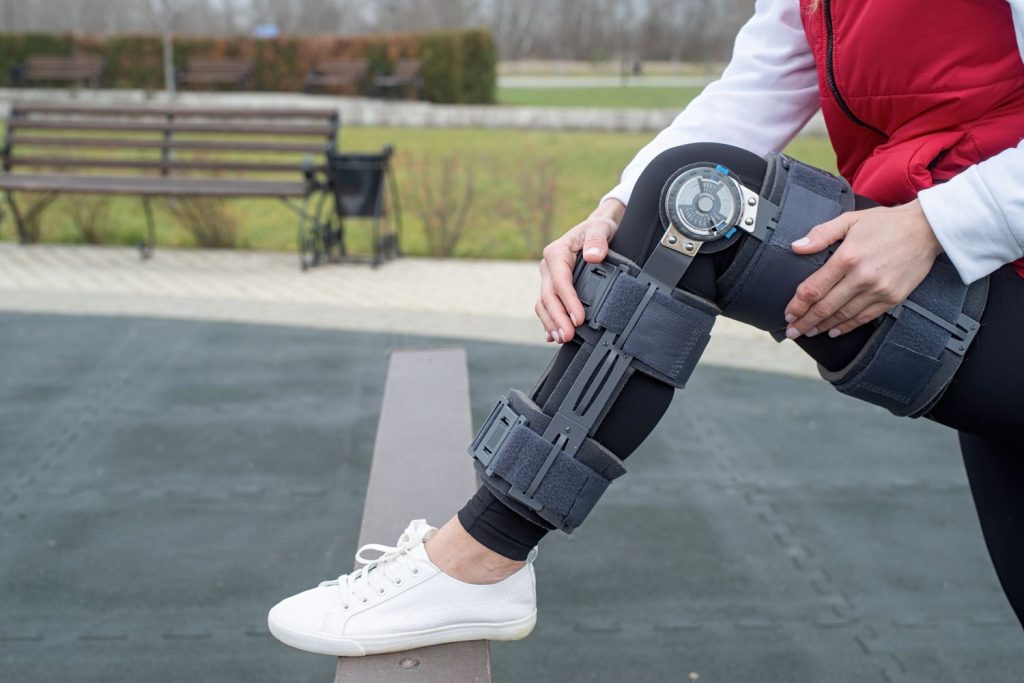
The Best Knee Braces for Osteoarthritis can provide much-needed support and pain relief for those suffering from this condition. Understanding the different types of knee braces and how to choose the right one is crucial for effective management of osteoarthritis symptoms. What is Osteoarthritis? Osteoarthritis is a degenerative joint disease that occurs when the protective cartilage that cushions the ends of your bones wears down over time. This can lead to pain, stiffness, and swelling in the affected joint, commonly the knee. Importance of Knee Braces Knee braces can help manage the symptoms of osteoarthritis by providing support, reducing pain, and improving mobility. They can also help align the knee, redistribute weight, and provide stability during movement. Types of Knee Braces for Osteoarthritis There are several types of knee braces available, each designed to address specific needs and symptoms: Sleeve Braces Sleeve braces are the most common type of knee brace for mild to moderate pain. They provide compression, which can reduce swelling and provide support. These braces are often made of neoprene and are easy to wear. Hinged Braces Hinged braces offer more support than sleeve braces and are ideal for individuals with moderate to severe osteoarthritis. They have metal hinges on the sides to provide stability and control movement. Unloader Braces Unloader braces are designed to shift weight away from the affected part of the knee, reducing pain and improving function. They are typically used for more severe cases of osteoarthritis. Custom-Fit Braces Custom-fit braces are made specifically for the individual’s knee and provide the best fit and support. These braces are usually recommended for severe cases or when other braces have not provided sufficient relief. Choosing the Right Knee Brace When choosing a knee brace for osteoarthritis, consider the following factors: For more tips on managing chronic knee pain, explore advanced chronic knee pain management. Recovery and Rehabilitation Using a knee brace can help improve your quality of life by reducing pain and improving mobility. However, it’s important to follow a comprehensive rehabilitation program that includes physical therapy and exercises to strengthen the muscles around the knee. Connect with Us Follow us on social media for the latest updates: Contact Information Name: Dr. Vatsal Khetan Address: SK Pandey Complex, Betiahata Rd, beside Union Bank, Betiahata, Gorakhpur, Uttar Pradesh 273001 Phone: +91-9662 365 917

The Best Knee Braces for Osteoarthritis: A Comprehensive Guide Read More »
Anterior Cruciate Ligament Repair Recovery

Recovering from Anterior Cruciate Ligament Repair

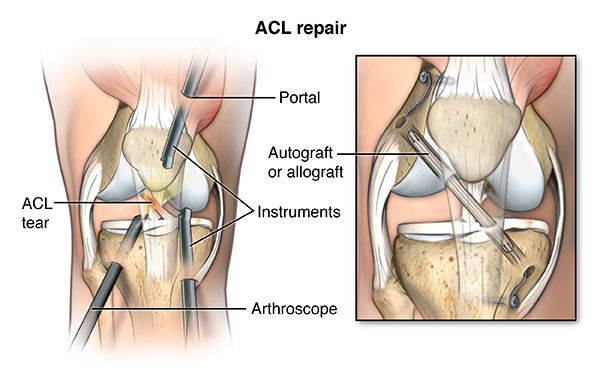
Recovering from Anterior Cruciate Ligament Repair is a critical phase for anyone who has undergone this surgery. Proper recovery strategies can help you regain strength, mobility, and return to your daily activities. In this guide, we’ll cover everything you need to know about recovering from ACL repair, from initial post-op care to long-term rehabilitation. The Importance of Recovery Recovery from ACL repair is just as crucial as the surgery itself. Proper rehabilitation can significantly improve the outcome and reduce the risk of re-injury. For a detailed look at the procedure, visit ACL reconstruction. Immediate Post-Op Care The first few days after surgery are critical for healing. Follow your surgeon’s instructions closely, which may include: Physical Therapy Physical therapy is a cornerstone of ACL recovery. A personalized therapy plan will help you regain strength, stability, and mobility in your knee. Dr. Vatsal Khetan’s expertise in sports medicine can guide you through this process. Initial Phase In the first few weeks, focus on gentle exercises to improve range of motion and reduce stiffness. These may include: Intermediate Phase As you progress, your physical therapist will introduce more challenging exercises to build strength and stability: Advanced Phase In the later stages, focus on high-intensity exercises to prepare for a return to sports or daily activities: Long-Term Recovery Full recovery from ACL repair can take six to nine months, depending on the severity of the injury and your commitment to rehabilitation. Regular follow-ups with your orthopedic surgeon are essential to monitor progress and make necessary adjustments. For tips on managing chronic knee pain, explore advanced chronic knee pain management. Connect with Us Follow us on social media for the latest updates: Contact Information Name: Dr. Vatsal Khetan Address: SK Pandey Complex, Betiahata Rd, beside Union Bank, Betiahata, Gorakhpur, Uttar Pradesh 273001 Phone: +91-9662 365 917

Recovering from Anterior Cruciate Ligament Repair Read More »

ACL Reconstruction

The Ultimate Guide to ACL Reconstruction

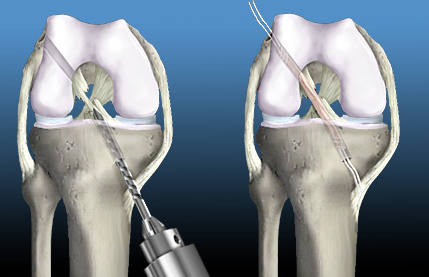
ACL Reconstruction is a crucial topic for athletes and anyone dealing with knee injuries. Understanding the procedure can help you make informed decisions about your health. In this ultimate guide, we’ll cover everything you need to know about ACL reconstruction, from the procedure itself to recovery and long-term outcomes. What is ACL Reconstruction? ACL reconstruction involves replacing the torn anterior cruciate ligament (ACL) with a graft, which can be taken from your own body (autograft) or from a donor (allograft). This surgical procedure aims to restore knee stability and function. Why You Might Need ACL Reconstruction A torn ACL can lead to knee instability, making it difficult to perform activities that involve cutting, pivoting, or sudden stops. Surgery is often recommended for young, active individuals or athletes who want to return to their previous level of activity. For more details, check out conditions treated by orthopedic surgeons. The Procedure ACL reconstruction is typically performed arthroscopically. Small incisions are made around the knee to insert a camera and surgical tools. The surgeon creates tunnels in the bones of the knee and places the graft to replace the torn ligament. The graft is then secured with screws or other fixation devices. For a closer look, you can read about knee joint preservation. Recovery and Rehabilitation Recovery from ACL reconstruction involves a combination of physical therapy, activity modification, and sometimes the use of a brace. The timeline for returning to sports can vary but generally takes about 6-9 months. Physical therapy is crucial to regain strength and mobility in the knee. Dr. Vatsal Khetan’s expertise in sports medicine can guide you through the process. Long-Term Outcomes Most patients experience significant improvement in knee stability and function after ACL reconstruction. However, it’s important to follow your rehabilitation program diligently to achieve the best results. For more tips on managing chronic knee pain, check out advanced chronic knee pain management. Connect with Us Follow us on social media for the latest updates: Contact Information Name: Dr. Vatsal Khetan Address: SK Pandey Complex, Betiahata Rd, beside Union Bank, Betiahata, Gorakhpur, Uttar Pradesh 273001 Phone: +91-9662 365 917

The Ultimate Guide to ACL Reconstruction Read More »

Articular Cartilage

Articular Cartilage: Importance, Injuries, and Treatments

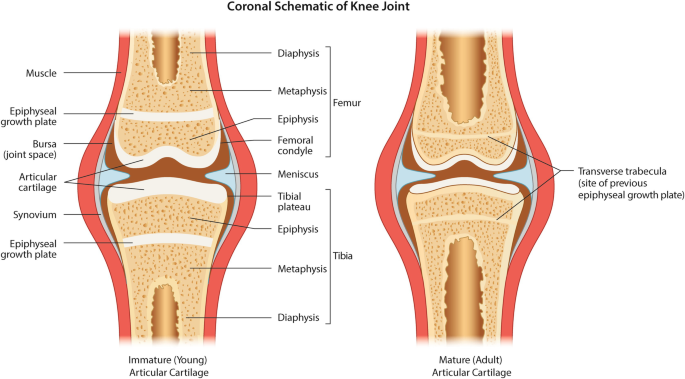
Articular Cartilage plays a crucial role in joint function, acting as a smooth, lubricated surface for joint movement and cushioning bones. Understanding the significance of articular cartilage, how injuries occur, and treatment options is essential for maintaining joint health. What is Articular Cartilage? Articular cartilage is a smooth, white tissue that covers the ends of bones where they come together to form joints. It allows for smooth movement of the joints and acts as a cushion, distributing loads to reduce stress on the bones. Importance of Articular Cartilage Articular cartilage is vital for healthy joint function. It reduces friction during joint movement, absorbs shocks, and helps in weight distribution. Damage to this cartilage can lead to pain, swelling, and impaired movement. For more details on joint preservation and management, check out joint preservation and management. Common Injuries to Articular Cartilage Injuries to articular cartilage can result from acute trauma, repetitive motion, or degenerative conditions. Common types of cartilage injuries include: Treatment Options for Articular Cartilage Injuries Treating articular cartilage injuries involves a range of non-surgical and surgical options. Dr. Vatsal Khetan’s expertise in treating cartilage injuries can guide you through the following treatments: Non-Surgical Treatments Surgical Treatments For a detailed look at surgical options, visit common minimally invasive orthopedic surgeries. Recovery and Rehabilitation Recovery from cartilage repair varies depending on the type and extent of the injury and treatment. Physical therapy is essential to restore strength and mobility. Dr. Vatsal Khetan’s guidance on sports medicine can help you navigate the recovery process. Long-Term Outcomes With appropriate treatment and rehabilitation, most patients can achieve significant improvement in joint function and pain relief. For tips on managing chronic knee pain, explore advanced chronic knee pain management. Connect with Us Follow us on social media for the latest updates: Contact Information Name: Dr. Vatsal Khetan Address: SK Pandey Complex, Betiahata Rd, beside Union Bank, Betiahata, Gorakhpur, Uttar Pradesh 273001 Phone: +91-9662 365 917

Articular Cartilage: Importance, Injuries, and Treatments Read More »