

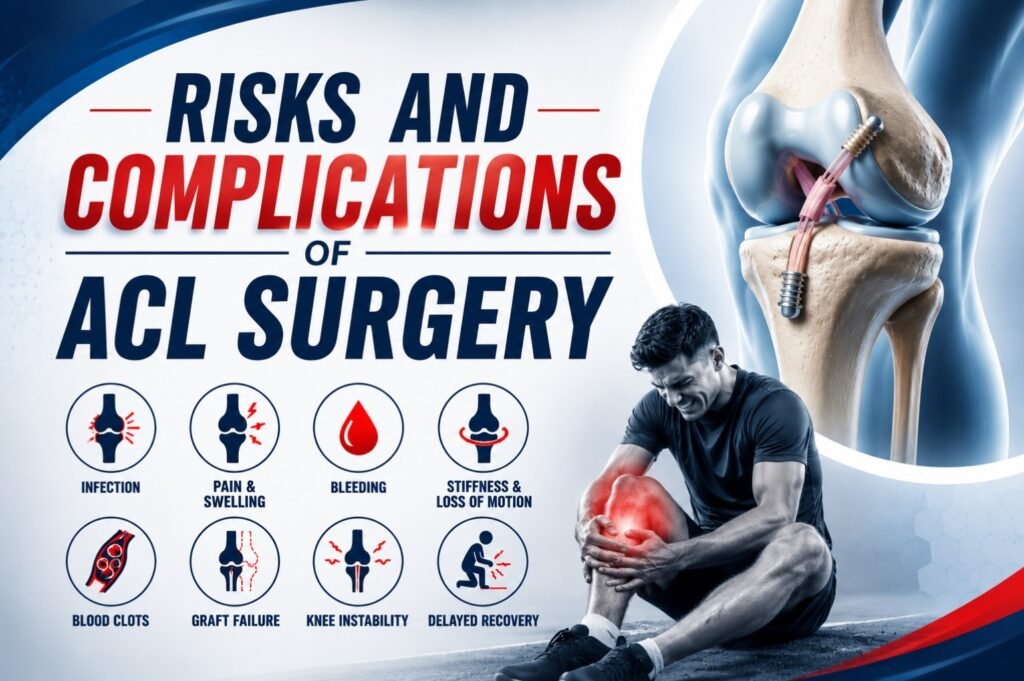
Risks and Complications of ACL Surgery: What You Should Know
Anterior Cruciate Ligament (ACL) reconstruction is one of the most commonly performed orthopedic procedures, especially among athletes and active individuals. While the surgery has a high success rate and helps restore knee stability, like any surgical procedure, it carries certain risks and potential complications.
Understanding these risks can help patients make informed decisions and prepare better for recovery.
Whether you are consulting an orthopaedic doctor in Gorakhpur or elsewhere, being aware of these risks puts you in a stronger position to ask the right questions and plan your care effectively.
What is ACL Surgery?
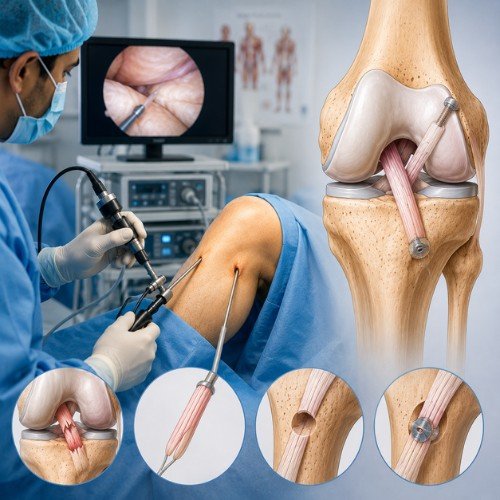
ACL surgery involves reconstructing the torn ligament using a graft (either from the patient’s own body or a donor). The goal is to restore knee stability, improve function, and allow return to normal activities or sports.
For patients considering ACL surgery in Gorakhpur, it is important to consult a trained specialist who can guide you through the procedure, manage risks effectively, and support your full recovery.
Common Risks after ACL Surgery
- Pain and Swelling
Pain and swelling are common in the initial days after surgery. While usually temporary, excessive swelling may delay recovery.
- Infection
Although rare, infection can occur at the incision site or inside the knee joint. Symptoms may include:
- Redness
- Fever
- Increased pain
- Discharge from the wound
Severe infections may require additional surgery or antibiotics.
- Blood Clots (Deep Vein Thrombosis – DVT)
After surgery, there is a risk of developing blood clots in the legs. If untreated, these clots can travel to the lungs (pulmonary embolism), which can be life-threatening.
- Knee Stiffness or Loss of Motion
Some patients may experience difficulty bending or straightening the knee after surgery. This can occur due to scar tissue formation or inadequate rehabilitation.
- Graft Failure
The reconstructed ligament may fail due to:
- Re-injury
- Improper healing
- Early return to sports
This may require revision surgery.
- Persistent Instability
In some cases, the knee may still feel unstable even after surgery, especially if rehabilitation is incomplete.
- Nerve or Blood Vessel Injury
There is a small risk of injury to nearby nerves or blood vessels during surgery, which may lead to numbness or weakness.
- Donor Site Pain (in Autograft)
If the graft is taken from the patient’s own body (hamstring or patellar tendon), pain or weakness at the donor site can occur.
- Delayed Recovery
Recovery timelines vary. Some patients may take longer to regain strength, mobility, and confidence in the knee.

Rare Complications
- Knee joint stiffness requiring manipulation under anesthesia
- Allergic reaction to anesthesia
- Hardware-related issues (screws or implants)
- Complex Regional Pain Syndrome (CRPS)
How to Reduce the Risk of Complications
- Choose an experienced orthopedic surgeon
- Follow proper prehabilitation and rehabilitation protocols
- Avoid early return to sports
- Maintain a healthy lifestyle and weight
- Attend all follow-up appointments
When to Contact Your Doctor?
Seek medical attention if you experience:
- Severe pain or swelling
- Fever
- Difficulty breathing
- Persistent knee instability
Signs of infection
If you are looking for a trusted orthopaedic doctor in Gorakhpur or need expert guidance on ACL surgery in Gorakhpur, choosing the right specialist is the first and most important step toward a safe and successful recovery.