Pain Management

Meniscus Injury Treatment

Meniscus Injury: Understanding Causes, Symptoms, and Treatments

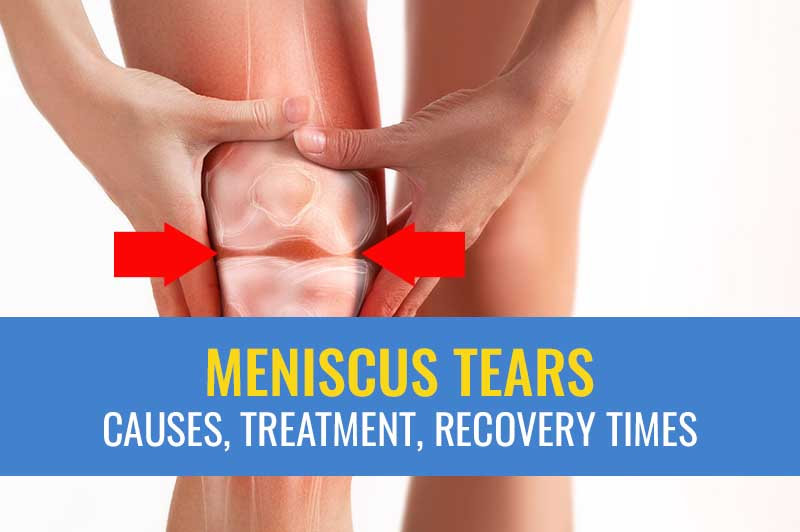
Meniscus Injury is a critical issue that can affect knee functionality and mobility. Understanding the causes, symptoms, and treatment options is essential for effective management and recovery. What is a Meniscus Injury? A meniscus injury involves a tear in the meniscus, a piece of cartilage that acts as a cushion between the shinbone and the thighbone. Meniscus injuries can result from activities that cause direct contact or pressure from a forced twist or rotation. Importance of Treating Meniscus Injuries Proper treatment of meniscus injuries is crucial to restoring knee function and preventing further damage. Untreated meniscus injuries can lead to chronic knee pain and instability. For more information, check out conditions treated by orthopedic surgeons. Causes of Meniscus Injuries Symptoms of Meniscus Injuries Treatment Options for Meniscus Injuries Treating meniscus injuries involves both non-surgical and surgical options. Dr. Vatsal Khetan’s expertise in treating meniscus injuries can guide you through the following treatments: Non-Surgical Treatments Surgical Treatments Recovery and Rehabilitation Recovery from meniscus injury treatment varies depending on the type and extent of the injury and treatment. Physical therapy is essential to restore strength and mobility. Dr. Vatsal Khetan’s guidance on sports medicine can help you navigate the recovery process. Long-Term Outcomes With appropriate treatment and rehabilitation, most patients can achieve significant improvement in knee function and pain relief. For tips on managing chronic knee pain, explore advanced chronic knee pain management. Connect with Us Follow us on social media for the latest updates: Contact Information Name: Dr. Vatsal Khetan Address: SK Pandey Complex, Betiahata Rd, beside Union Bank, Betiahata, Gorakhpur, Uttar Pradesh 273001 Phone: +91-9662 365 917

Meniscus Injury: Understanding Causes, Symptoms, and Treatments Read More »
Anterior Cruciate Ligament Repair Recovery

Recovering from Anterior Cruciate Ligament Repair

Recovering from Anterior Cruciate Ligament Repair is a critical phase for anyone who has undergone this surgery. Proper recovery strategies can help you regain strength, mobility, and return to your daily activities. In this guide, we’ll cover everything you need to know about recovering from ACL repair, from initial post-op care to long-term rehabilitation. The Importance of Recovery Recovery from ACL repair is just as crucial as the surgery itself. Proper rehabilitation can significantly improve the outcome and reduce the risk of re-injury. For a detailed look at the procedure, visit ACL reconstruction. Immediate Post-Op Care The first few days after surgery are critical for healing. Follow your surgeon’s instructions closely, which may include: Physical Therapy Physical therapy is a cornerstone of ACL recovery. A personalized therapy plan will help you regain strength, stability, and mobility in your knee. Dr. Vatsal Khetan’s expertise in sports medicine can guide you through this process. Initial Phase In the first few weeks, focus on gentle exercises to improve range of motion and reduce stiffness. These may include: Intermediate Phase As you progress, your physical therapist will introduce more challenging exercises to build strength and stability: Advanced Phase In the later stages, focus on high-intensity exercises to prepare for a return to sports or daily activities: Long-Term Recovery Full recovery from ACL repair can take six to nine months, depending on the severity of the injury and your commitment to rehabilitation. Regular follow-ups with your orthopedic surgeon are essential to monitor progress and make necessary adjustments. For tips on managing chronic knee pain, explore advanced chronic knee pain management. Connect with Us Follow us on social media for the latest updates: Contact Information Name: Dr. Vatsal Khetan Address: SK Pandey Complex, Betiahata Rd, beside Union Bank, Betiahata, Gorakhpur, Uttar Pradesh 273001 Phone: +91-9662 365 917

Recovering from Anterior Cruciate Ligament Repair Read More »

ACL Reconstruction

The Ultimate Guide to ACL Reconstruction

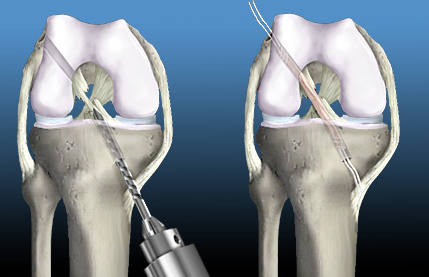
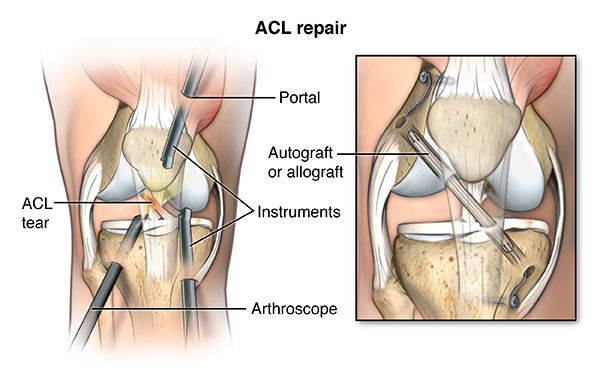
ACL Reconstruction is a crucial topic for athletes and anyone dealing with knee injuries. Understanding the procedure can help you make informed decisions about your health. In this ultimate guide, we’ll cover everything you need to know about ACL reconstruction, from the procedure itself to recovery and long-term outcomes. What is ACL Reconstruction? ACL reconstruction involves replacing the torn anterior cruciate ligament (ACL) with a graft, which can be taken from your own body (autograft) or from a donor (allograft). This surgical procedure aims to restore knee stability and function. Why You Might Need ACL Reconstruction A torn ACL can lead to knee instability, making it difficult to perform activities that involve cutting, pivoting, or sudden stops. Surgery is often recommended for young, active individuals or athletes who want to return to their previous level of activity. For more details, check out conditions treated by orthopedic surgeons. The Procedure ACL reconstruction is typically performed arthroscopically. Small incisions are made around the knee to insert a camera and surgical tools. The surgeon creates tunnels in the bones of the knee and places the graft to replace the torn ligament. The graft is then secured with screws or other fixation devices. For a closer look, you can read about knee joint preservation. Recovery and Rehabilitation Recovery from ACL reconstruction involves a combination of physical therapy, activity modification, and sometimes the use of a brace. The timeline for returning to sports can vary but generally takes about 6-9 months. Physical therapy is crucial to regain strength and mobility in the knee. Dr. Vatsal Khetan’s expertise in sports medicine can guide you through the process. Long-Term Outcomes Most patients experience significant improvement in knee stability and function after ACL reconstruction. However, it’s important to follow your rehabilitation program diligently to achieve the best results. For more tips on managing chronic knee pain, check out advanced chronic knee pain management. Connect with Us Follow us on social media for the latest updates: Contact Information Name: Dr. Vatsal Khetan Address: SK Pandey Complex, Betiahata Rd, beside Union Bank, Betiahata, Gorakhpur, Uttar Pradesh 273001 Phone: +91-9662 365 917

The Ultimate Guide to ACL Reconstruction Read More »

Living with Arthritis

Living with Arthritis: Tips and Treatments

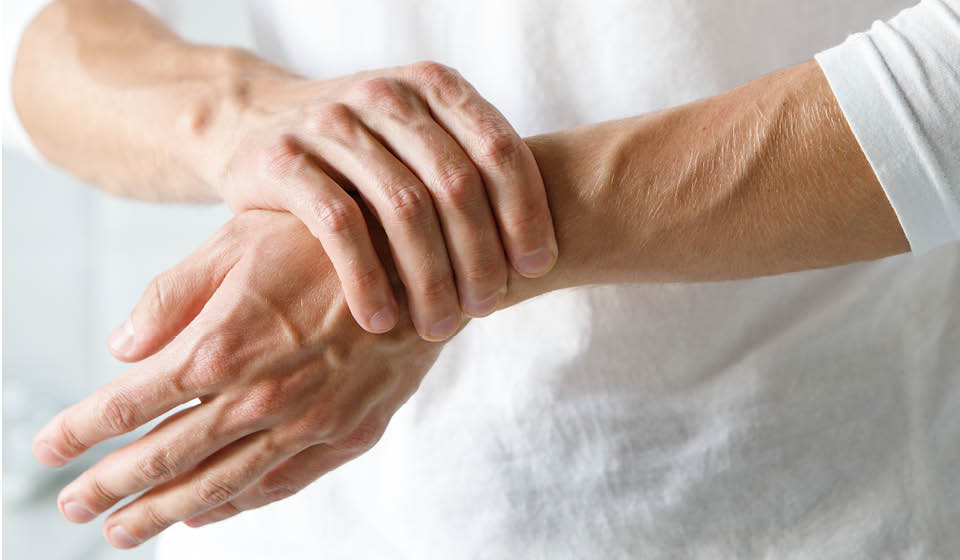
Living with Arthritis can be challenging, but with the right tips and treatments, you can manage the symptoms and maintain a good quality of life. Understanding the various treatment options and lifestyle changes can help you make informed decisions about your health. Understanding Arthritis Arthritis is a term used to describe over 100 different types of joint diseases and conditions. The most common types are osteoarthritis and rheumatoid arthritis. Arthritis can cause pain, swelling, stiffness, and decreased range of motion in the affected joints. Importance of Managing Arthritis Proper management of arthritis is crucial to reduce pain, improve joint function, and prevent further joint damage. Early diagnosis and treatment can make a significant difference in the outcome. For more information, check out conditions treated by orthopedic surgeons. Tips for Living with Arthritis Stay Active Regular physical activity can help maintain joint function and reduce stiffness. Low-impact exercises such as walking, swimming, and cycling are beneficial. Dr. Vatsal Khetan’s guidance on sports medicine can help you choose the right activities. Maintain a Healthy Weight Maintaining a healthy weight can reduce stress on your joints, especially the knees, hips, and spine. A balanced diet rich in fruits, vegetables, and lean proteins can help you achieve and maintain a healthy weight. Use Assistive Devices Assistive devices such as canes, walkers, and braces can help reduce strain on your joints and improve mobility. For more tips on joint support, check out advanced chronic knee pain management. Manage Stress Stress can exacerbate arthritis symptoms. Techniques such as yoga, meditation, and deep breathing can help manage stress and improve overall well-being. Treatment Options for Arthritis Treating arthritis involves a range of non-surgical and surgical options. Dr. Vatsal Khetan’s expertise in treating arthritis can guide you through the following treatments: Non-Surgical Treatments Surgical Treatments Recovery and Rehabilitation Recovery from arthritis treatment varies depending on the type and extent of the treatment. Physical therapy is essential to restore strength and mobility. Dr. Vatsal Khetan’s guidance on rehabilitation can help you navigate the recovery process. Long-Term Outcomes With appropriate treatment and lifestyle changes, most patients can achieve significant improvement in joint function and pain relief. Connect with Us Follow us on social media for the latest updates: Contact Information Name: Dr. Vatsal Khetan Address: SK Pandey Complex, Betiahata Rd, beside Union Bank, Betiahata, Gorakhpur, Uttar Pradesh 273001 Phone: +91-9662 365 917

Living with Arthritis: Tips and Treatments Read More »

Bankart Repair Surgery

Bankart Repair Treatment: Everything You Need to Know

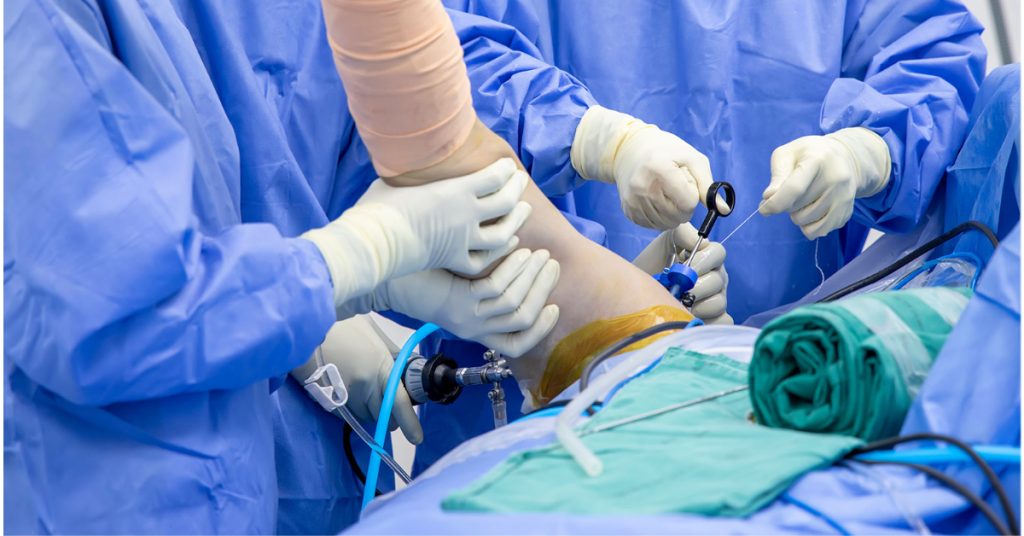
Bankart Repair Treatment is a crucial procedure for individuals with recurrent shoulder dislocations. Understanding the treatment process and recovery can help you make informed decisions about your health. In this blog post, we’ll cover everything you need to know about Bankart repair, from the procedure itself to recovery and long-term outcomes. What is Bankart Repair? Bankart repair is a surgical procedure to correct recurrent shoulder dislocations by repairing a tear in the labrum, a piece of cartilage in the shoulder joint. The goal of the surgery is to restore stability to the shoulder and prevent future dislocations. Why You Might Need Bankart Repair A Bankart lesion, or tear in the labrum, can cause recurrent shoulder dislocations and instability. This injury is common in athletes and individuals who experience traumatic shoulder injuries. Surgery is often recommended to restore shoulder stability and prevent further dislocations. For more details, check out conditions treated by orthopedic surgeons. The Procedure During Bankart repair, the surgeon makes small incisions around the shoulder to insert a camera and surgical instruments. The torn labrum is reattached to the socket of the shoulder joint using sutures or anchors. This procedure is typically performed arthroscopically, meaning it is minimally invasive. For a closer look, you can read about shoulder arthroscopic surgery. Recovery and Rehabilitation Recovery from Bankart repair involves a combination of physical therapy, activity modification, and sometimes the use of a sling. The timeline for returning to sports and normal activities can vary but generally takes about 3-6 months. Physical therapy is crucial to restore strength and mobility in the shoulder. Dr. Vatsal Khetan’s expertise in sports medicine can guide you through the process. Long-Term Outcomes Most patients experience significant improvement in shoulder stability and function after Bankart repair. However, it’s important to follow your rehabilitation program diligently to achieve the best results. For tips on managing chronic shoulder pain, check out advanced chronic pain management. Connect with Us Follow us on social media for the latest updates: Contact Information Name: Dr. Vatsal Khetan Address: SK Pandey Complex, Betiahata Rd, beside Union Bank, Betiahata, Gorakhpur, Uttar Pradesh 273001 Phone: +91-9662 365 917

Bankart Repair Treatment: Everything You Need to Know Read More »

Articular Cartilage

Articular Cartilage: Importance, Injuries, and Treatments

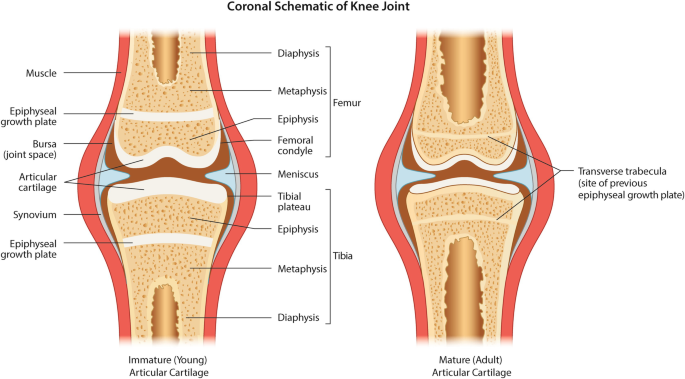
Articular Cartilage plays a crucial role in joint function, acting as a smooth, lubricated surface for joint movement and cushioning bones. Understanding the significance of articular cartilage, how injuries occur, and treatment options is essential for maintaining joint health. What is Articular Cartilage? Articular cartilage is a smooth, white tissue that covers the ends of bones where they come together to form joints. It allows for smooth movement of the joints and acts as a cushion, distributing loads to reduce stress on the bones. Importance of Articular Cartilage Articular cartilage is vital for healthy joint function. It reduces friction during joint movement, absorbs shocks, and helps in weight distribution. Damage to this cartilage can lead to pain, swelling, and impaired movement. For more details on joint preservation and management, check out joint preservation and management. Common Injuries to Articular Cartilage Injuries to articular cartilage can result from acute trauma, repetitive motion, or degenerative conditions. Common types of cartilage injuries include: Treatment Options for Articular Cartilage Injuries Treating articular cartilage injuries involves a range of non-surgical and surgical options. Dr. Vatsal Khetan’s expertise in treating cartilage injuries can guide you through the following treatments: Non-Surgical Treatments Surgical Treatments For a detailed look at surgical options, visit common minimally invasive orthopedic surgeries. Recovery and Rehabilitation Recovery from cartilage repair varies depending on the type and extent of the injury and treatment. Physical therapy is essential to restore strength and mobility. Dr. Vatsal Khetan’s guidance on sports medicine can help you navigate the recovery process. Long-Term Outcomes With appropriate treatment and rehabilitation, most patients can achieve significant improvement in joint function and pain relief. For tips on managing chronic knee pain, explore advanced chronic knee pain management. Connect with Us Follow us on social media for the latest updates: Contact Information Name: Dr. Vatsal Khetan Address: SK Pandey Complex, Betiahata Rd, beside Union Bank, Betiahata, Gorakhpur, Uttar Pradesh 273001 Phone: +91-9662 365 917

Articular Cartilage: Importance, Injuries, and Treatments Read More »