

Do You Constantly Have Joint Pain? This Article Is for You
Joint pain is something many people silently struggle with every day. Whether it’s a dull ache in your knees when climbing stairs, stiffness in your fingers in the morning, or persistent discomfort in your shoulders, joint pain can significantly impact your quality of life. If this sounds familiar, you’re not alone—and more importantly, there are ways to manage and even reduce it.
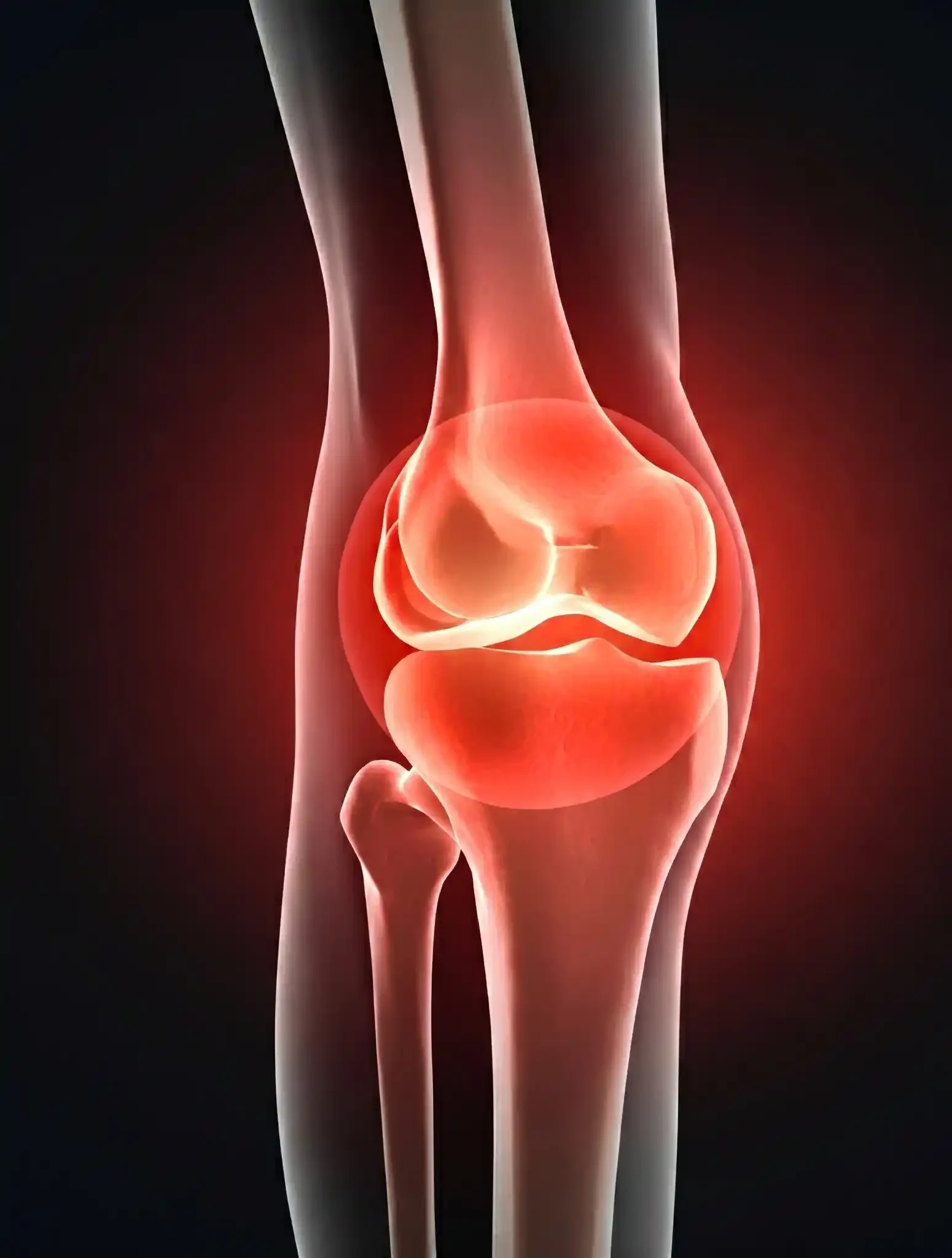
What Causes Joint Pain?
Joint pain can stem from a variety of reasons. Some of the most common causes include:
- Aging: As we grow older, the cartilage that cushions our joints naturally wears down.
- Injuries: Past injuries, even if they seemed minor at the time, can lead to long-term joint issues.
- Overuse: Repetitive movements or excessive strain on certain joints can cause inflammation.
- Medical Conditions: Conditions like arthritis, gout, or autoimmune diseases can trigger chronic pain.
- Lifestyle Factors: Poor posture, lack of exercise, or excess weight can put extra pressure on your joints.
Understanding the root cause is the first step toward effective treatment.
Signs You Shouldn’t Ignore
Occasional joint discomfort is normal, but persistent pain may signal a deeper issue. Watch out for:
- Swelling or redness around joints
- Stiffness, especially in the morning
- Reduced range of motion
- Clicking or grinding sensations
- Pain that worsens over time
If these symptoms persist, it may be time to consult a healthcare professional.
Simple Ways to Manage Joint Pain
You don’t always need complex treatments to start feeling better. Here are some practical steps you can take:
- Stay Active
It may seem counterintuitive, but movement actually helps keep joints flexible. Low-impact activities like walking, swimming, or yoga can reduce stiffness and strengthen supporting muscles.
- Maintain a Healthy Weight
Extra weight puts additional stress on weight-bearing joints like the knees and hips. Even small weight loss can make a noticeable difference.
- Use Heat and Cold Therapy
- Cold packs help reduce inflammation and numb pain
- Heat therapy relaxes muscles and improves blood flow
Alternate between the two depending on your symptoms
- Improve Your Diet
Certain foods can help reduce inflammation. Consider adding:
- Omega-3 rich foods (like fish and walnuts)
- Leafy greens
- Fruits rich in antioxidants
Avoid excessive processed foods and sugar, which can worsen inflammation.
- Strengthen Supporting Muscles
Strong muscles help stabilize joints and reduce strain. Light strength training can be very beneficial when done correctly.
When to Seek Medical Help
If your joint pain:
- Lasts for several weeks
- Interferes with daily activities
- Is accompanied by fever or unexplained weight loss
You should seek professional evaluation. Early diagnosis can prevent further damage.